2026-01-13/Trends/5 MIN READ
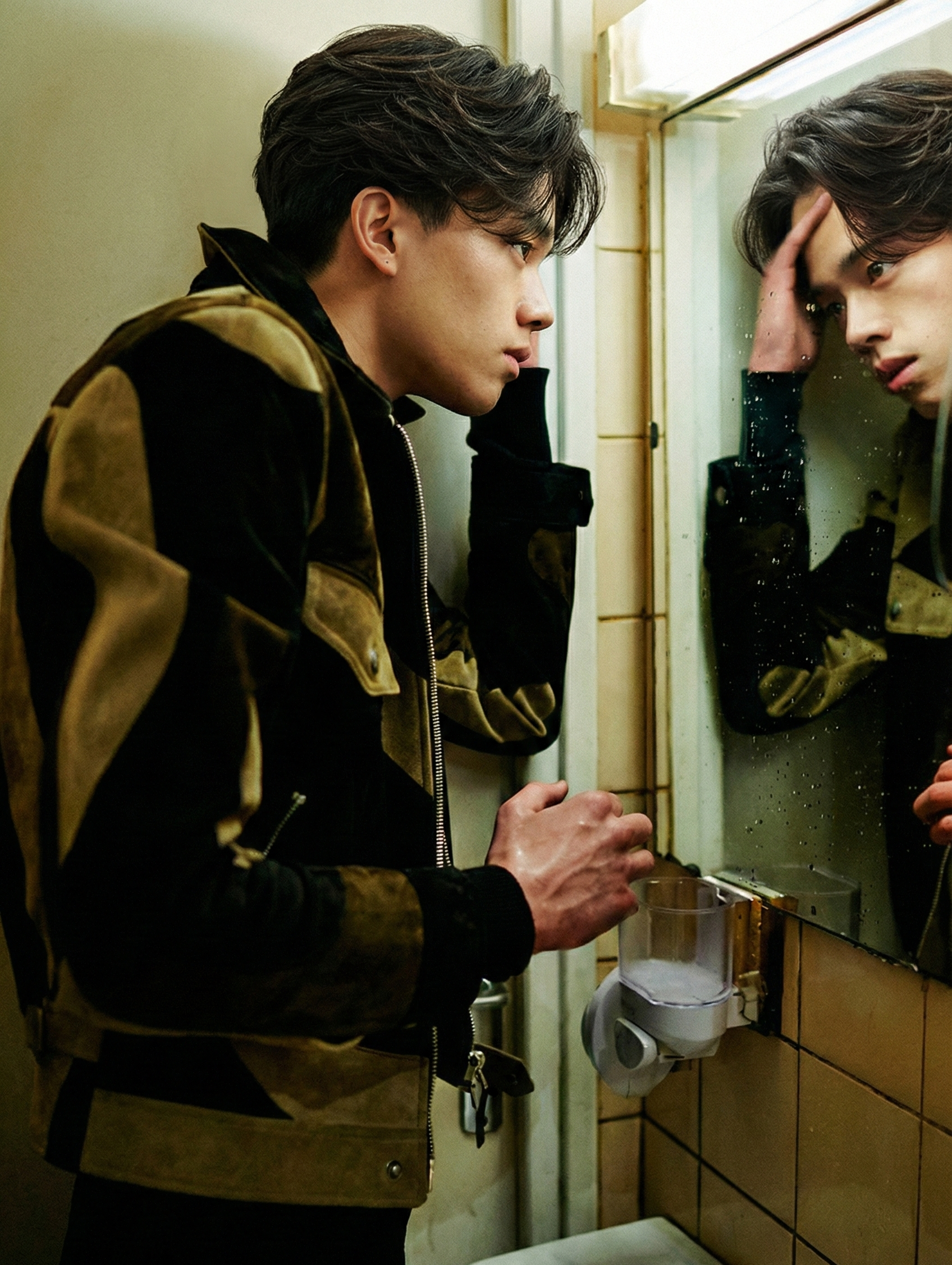
In 2025, men’s hair quietly had one of its best years in a long time: longer lengths returned, natural texture became the default, and “trying too hard” started to look dated.
In 2026, that direction sharpens. The most relevant styles share the same backbone: a wearable shape, controlled texture, and styling that supports—not dominates—the cut.
Below are the eight haircut directions we expect to define the year, plus how to choose the right one based on your hair type, lifestyle, and tolerance for maintenance.
The 2026 Pattern: less perfection, more control
What’s changing is not the haircut—it’s the attitude.
- Natural texture is no longer something to hide. It’s the feature.
- Grown-out sides are back. Harsh fades feel less essential than they did.
- Styling is lighter. More “movement” than “helmet.”
If your haircut can look good on a normal day—with minimal effort—you’re aligned with 2026.
1) The Slick Back (the year’s dominant silhouette)
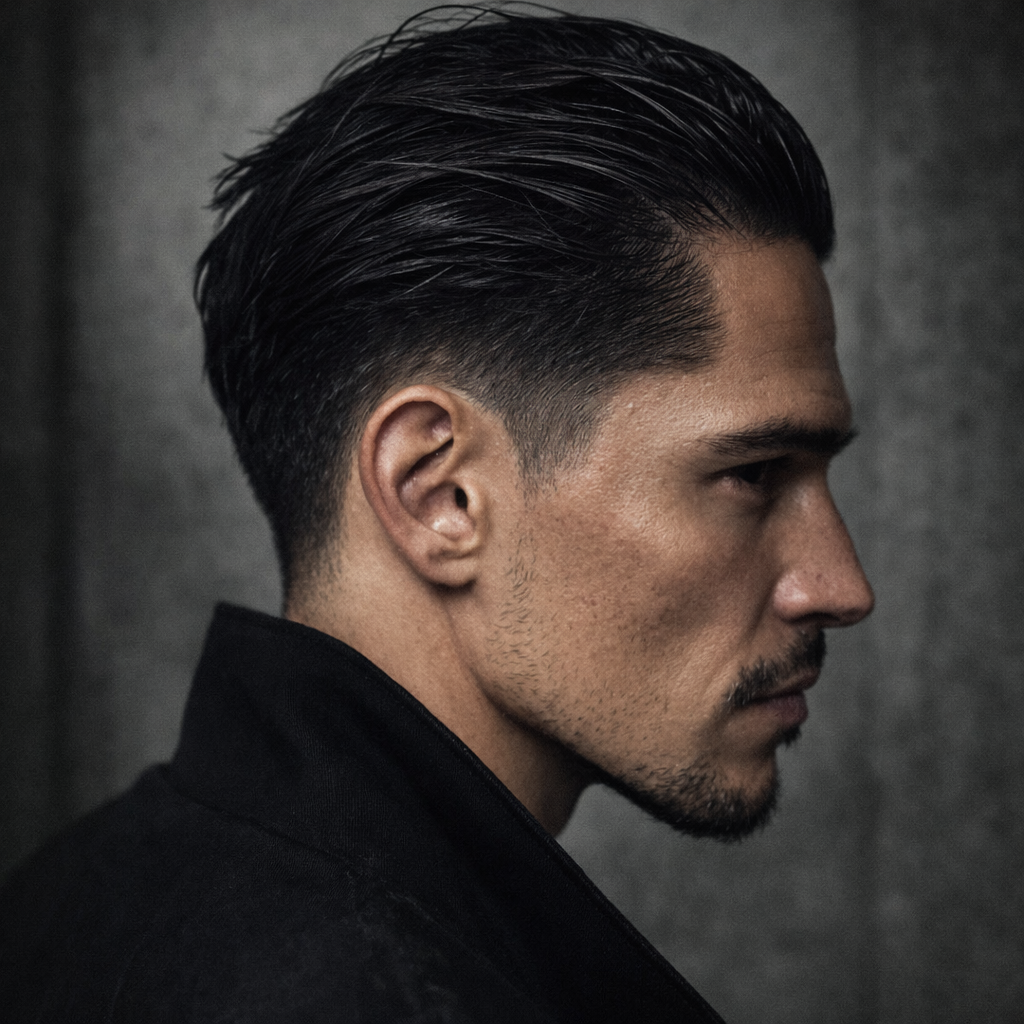
The slick back becomes the most visible style of 2026 because it reads as: old money, professional, effortless, and confident.
Why it works:
- adaptable side length (tight or grown-out)
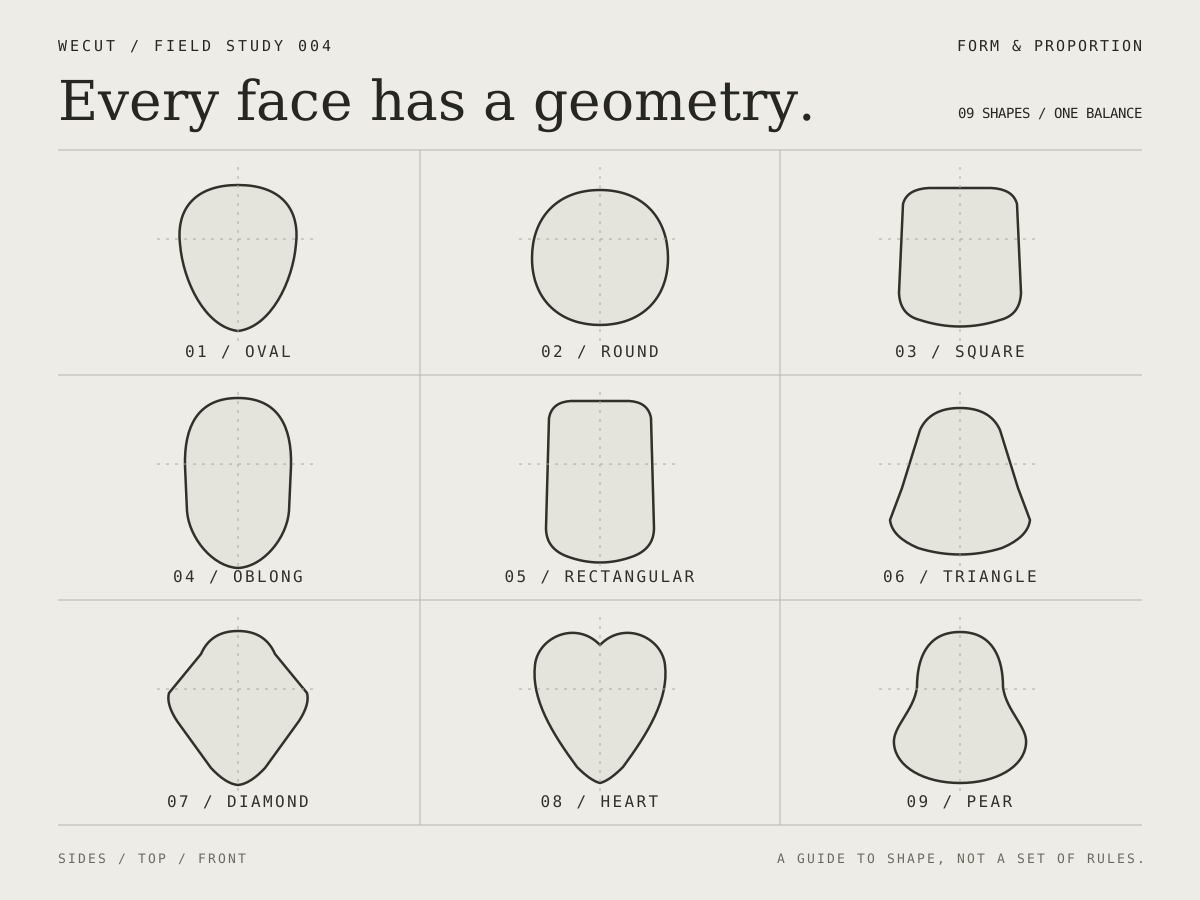
- suits many face shapes
- can shift from “clean” to “casual” depending on finish
How to keep it modern:
- avoid overly wet shine
- keep volume soft, not rigid
- let texture show through slightly
2) The Crew Cut (short, clean, reliable)
The crew cut stays popular because it’s low effort to style—but it demands regular maintenance.
Best for:
- people who want a sharp outline without daily styling time
- active lifestyles
Watch-outs:
- schedule trims more frequently
- the difference between “intentional” and “unfinished” is a week or two
3) Textured Crop / French Crop (structure with disguise)
One of the most practical styles in 2026.
Why it’s a staple:
- short length with strong texture
- works in professional settings, but still feels rugged
- can reduce the visibility of recession/thinning when the fringe is controlled
Best for:
- straight to wavy hair
- anyone wanting “shape” without the need for a perfect blow-dry
4) Quiff over Pompadour (playful volume, less ceremony)
The pompadour feels too stylized and time-intensive for 2026. The quiff wins because it keeps volume but allows imperfection.
Key difference:
- Pompadour = precise, sculpted, high commitment
- Quiff = relaxed, push-back volume, more wearable
How to wear it right:
- longer top, slightly grown-out sides
- keep movement; don’t over-polish
5) The Baby Mullet (a softer edge)
The mullet isn’t “gone”—it’s being moderated.
The baby mullet:
- keeps a slightly longer back
- has more fullness lower down
- avoids extreme contrast on the sides
It’s “spice,” not a costume.
Best for:
- guys who want individuality without committing to a statement haircut
6) The Classic Side Part (timeless, especially for straight hair)
Still strong in 2026—particularly for straighter hair types where the part holds naturally.
Why it survives:
- always reads clean and put-together
- fits professional contexts easily
Pairs well with:
- light beard or defined facial hair for balance
7) The Flow (medium length for wavy-to-curly hair)
The flow is the signature “effortless” style of 2026.
It works because:
- it celebrates natural wave/curl
- it looks casual, but can turn formal by slicking back
One critical detail:
- use a light pre-styler to prevent flatness at the top and to avoid a center split that looks accidental.
8) The Buzz Cut (the lowest styling maintenance)
The buzz cut returns as a bold minimalist option.
It’s best when:
- your head shape and facial features are strong
- you want zero daily styling
- you pair it with a beard for contrast and masculinity
How to choose (the WECUT way)
Before picking a style, answer three questions:
- Hair behavior: straight / wavy / curly / thinning?
- Routine tolerance: do you want 2 minutes or 20 minutes of styling?
- Maintenance cadence: are you okay with frequent trims?
In 2026, the best haircut is the one that looks good on an ordinary day. Not the one that only works after effort.
If you want help choosing, start with one simple line: “What do I want my hair to do daily?” That answer tells us everything.